

Introductory note from The Waldorf Times team: This reflection is by Ms. Rama Abdallah, our Communications Director, who stepped into this newly created role during the 2025-2026 school year. Her work has gone beyond improving platforms or outputs, helping instead to cultivate a more communicative school culture—one in which students and teachers actively shape how the life of the school is seen, understood, and remembered. Under her leadership, the Waldorf Times blog and our student journalism program have become spaces for inquiry, creativity, and voice. Communication has shifted from documentation alone to participation: noticing moments as they unfold and inviting students to step into the roles of observers, storytellers, and creators.
This piece offers a glimpse into that work, through the lens—both literal and metaphorical—of a camera, and through a way of seeing that asks not only what we capture, but how and why we tell our stories
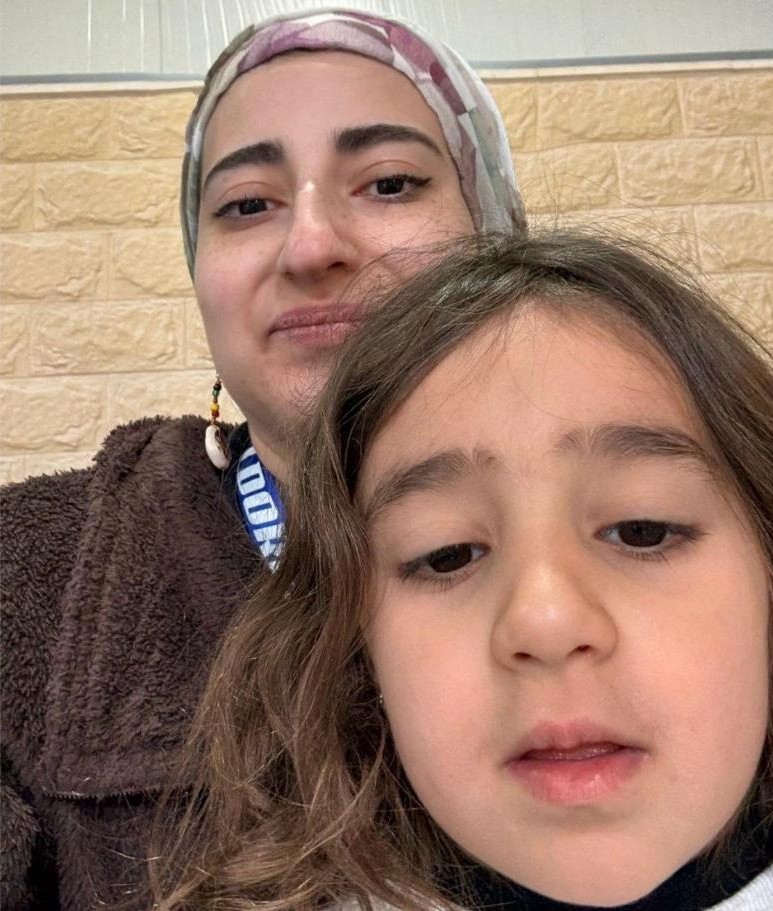
“It’s next to that Camera-Lady,” a student said as I carried the equipment down the hall. I laughed at what he called me, but it sparked an idea in my head: maybe I should write about camera—and what it means to bring it into Waldorf.
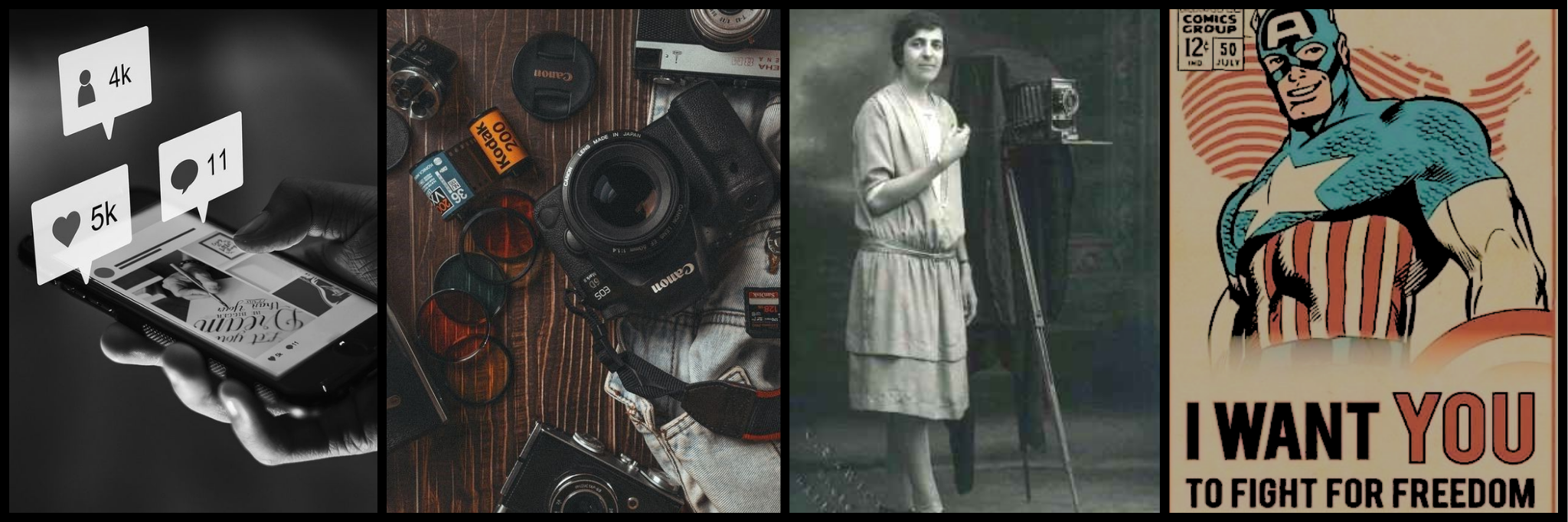
The word camera has an unexpectedly fascinating origin. It comes from the Latin phrase camera obscura, meaning “dark chamber.” This concept dates back thousands of years and was described by thinkers like Aristotle and Mozi. Imagine a simple dark room with a tiny opening that lets in light—just enough to project an inverted image of the outside world onto a surface inside. From this humble beginning grew the portable devices we know today. By the early 19th century, the invention of the photographic camera transformed the way humanity captured reality. Suddenly, we could freeze moments in time—preserving history, emotion, and beauty in ways words alone couldn’t.
From family portraits to iconic images that define entire eras, cameras have shaped how we document history, express creativity, and communicate ideas. They are not merely tools; they are storytellers, memory keepers, and cultural mirrors. The media—of which photography is just one part—is both a mouth and an eye: it speaks and it sees, writing and visualizing to inform, entertain, and sometimes mislead. It can be meaningful and inspiring, but it also carries a darker side. Once, photos were personal treasures, created to relive memories with the people who mattered. Today, with smartphones in our hands and infinite scrolling mimicking casino slot machines, the purpose has shifted. Images often become curated performances—filtered, edited, perfected—fueling cycles of comparison and unrealistic expectations.
Modern journalism, too, frequently reflects the interests of dominant groups, making ideals like democracy, objectivity, and neutrality feel almost mythical. Even pop culture reveals these dynamics. Consider Marvel Comics during the Cold War: superheroes were more than entertainment—they were ideological symbols. Captain America embodied patriotism and freedom, while villains often echoed communist stereotypes. These stories reinforced political narratives, turning comics into cultural instruments during a tense global moment. Media has always been powerful, shaping perceptions and influencing societies across generations.
That’s why I encourage students not just to consume media, but to create it. Be the voice, the eye, the storyteller. Waldorf Times exists for that very purpose—to give you the chance to shape narratives, share perspectives, and contribute meaningfully to our community. Don’t just scroll. Write, photograph, design, question, and make your mark.