

By Razan Mbaideen – Activities Coordinator
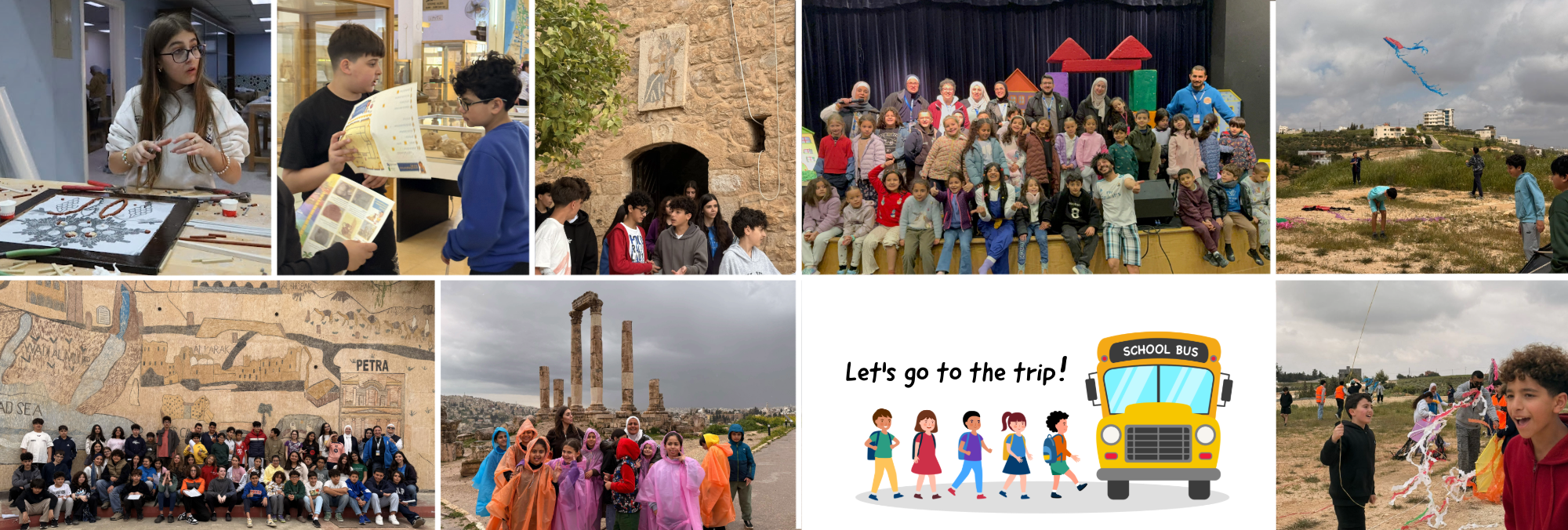
“Beep beep…” It’s a simple sound, one we hear almost every day, but during that week, it meant something different. It became the sound of something beginning, the sound of leaving the familiar behind, the sound of stepping into something unknown, something exciting, something meaningful. Each morning, the buses lined up, and one group of students after another stepped forward, while the rest stayed behind, watching, waiting, imagining. It wasn’t just one field trip, it was a rhythm that moved through the whole school. One grade leaves, another waits. One journey ends, another is just about to begin. And in between those moments, there was something special growing, curiosity, and that feeling of soon it will be our turn.
At Waldorf, field trips are never just days outside the classroom. They begin long before the bus moves and continue long after it returns. You could see it in the way students gathered in the morning, in the way they looked at those leaving, in the questions they asked, and in the stories they listened to when others came back. There was excitement, of course, but also something deeper, a sense that these days would hold something they cannot be describe yet, something they had to experience for themselves.
For our youngest learners in KG, their day arrived with wide eyes and open hearts. Their visit to the Children’s Museum was not about following instructions or moving from one station to another, but about exploring freely, discovering without pressure, and learning through play. In that space, children were invited to touch, to question, to test, and to observe. There were no right or wrong answers waiting for them, only experiences. They moved between exhibits with curiosity leading the way, building their own understanding through their senses, through their movement, through their natural desire to know. In that moment, learning felt light, joyful, and deeply personal. It belonged to them.
For Grades 1 to 3, their journey carried them into a story that felt both familiar and important. At Haya Cultural Center, they sat together and watched “مغامرات مشحون,” a play that gently reflected something present in their lives, the balance between friendship and the growing presence of devices. Through the story of three friends, they saw how connection can slowly shift, how play can be replaced, and how something simple like being together can quietly disappear. In a school where human connection is protected and devices are set aside, the message was not something they were told directly, but something they felt. They saw the beauty of friendship, the joy of shared play, and the importance of being present with one another. The lesson stayed with them, not as words, but as a feeling.
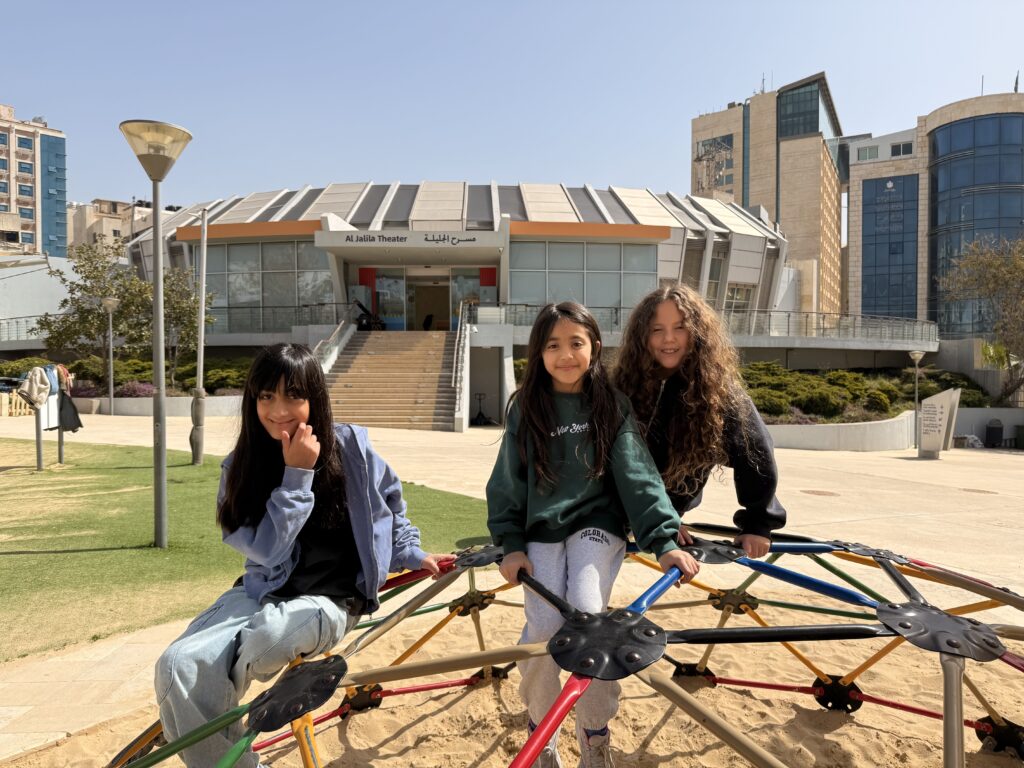
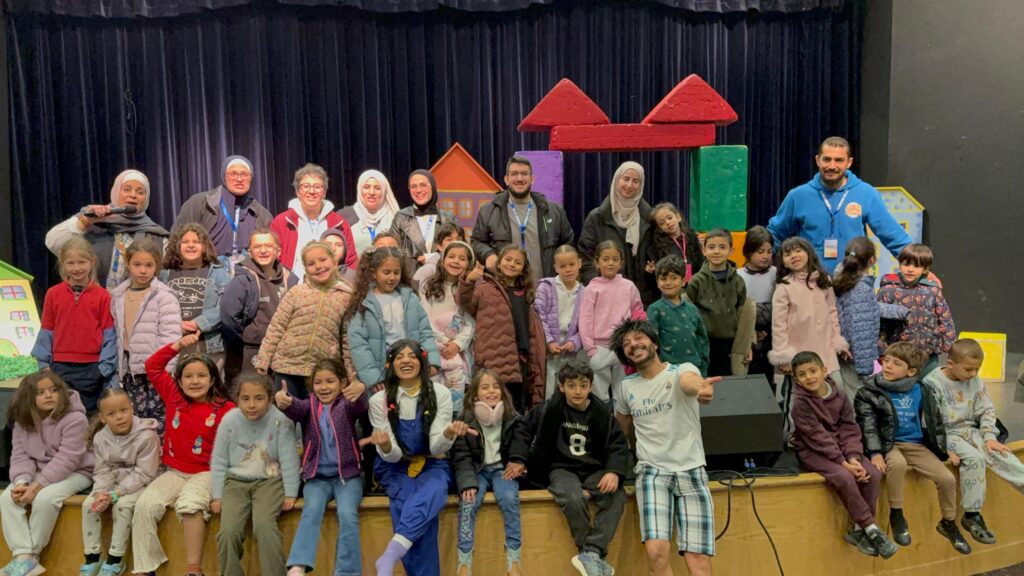
The day continued with movement, laughter, and sensory experiences that grounded them once again. In the play areas, they returned to simple joys, touching sand, moving freely, engaging with the world through their bodies. Later, in the planetarium, everything shifted once more. They watched “Polaris,” following the journey of a penguin and a polar bear whose unlikely friendship carried them across Earth, Mars, and Saturn. Through curiosity, questions, and discovery, they were introduced to the beauty of science, not as something distant, but as something that begins with wonder. In that quiet space, looking up, they were not just watching. They were imagining, questioning, and connecting.
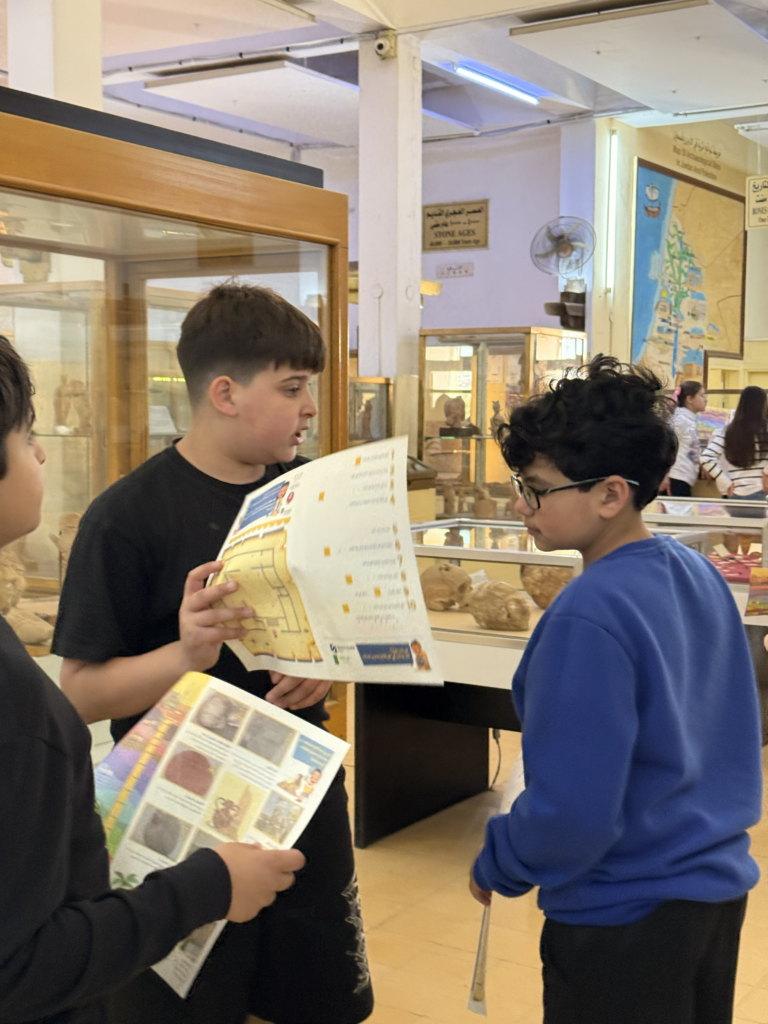
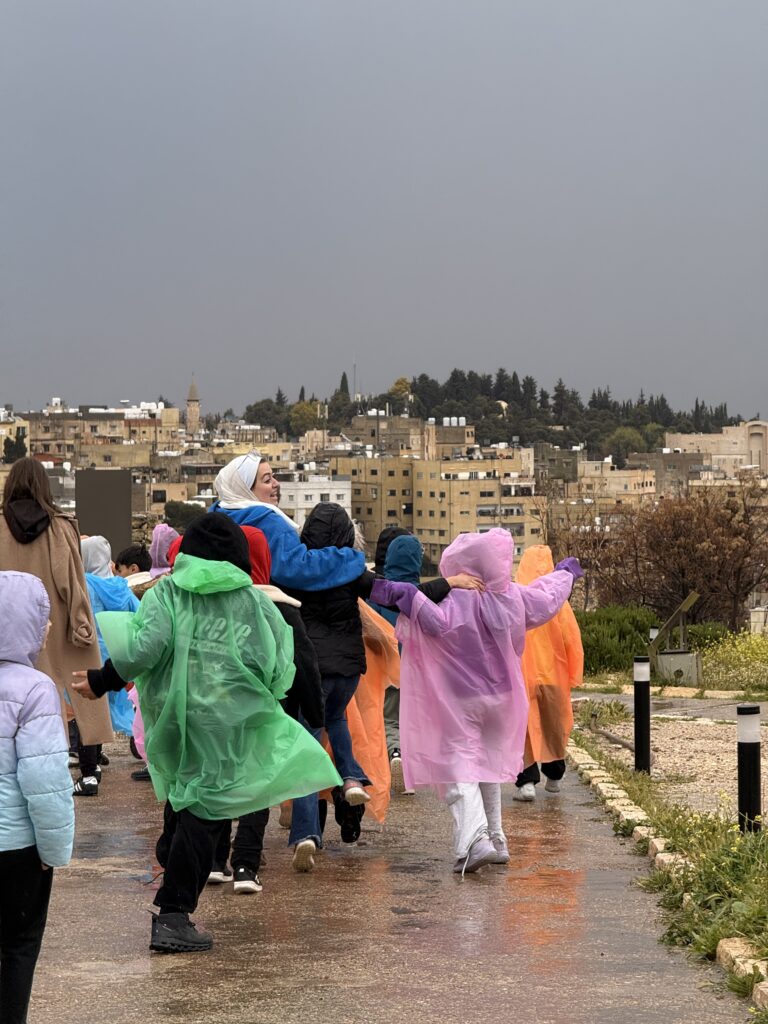
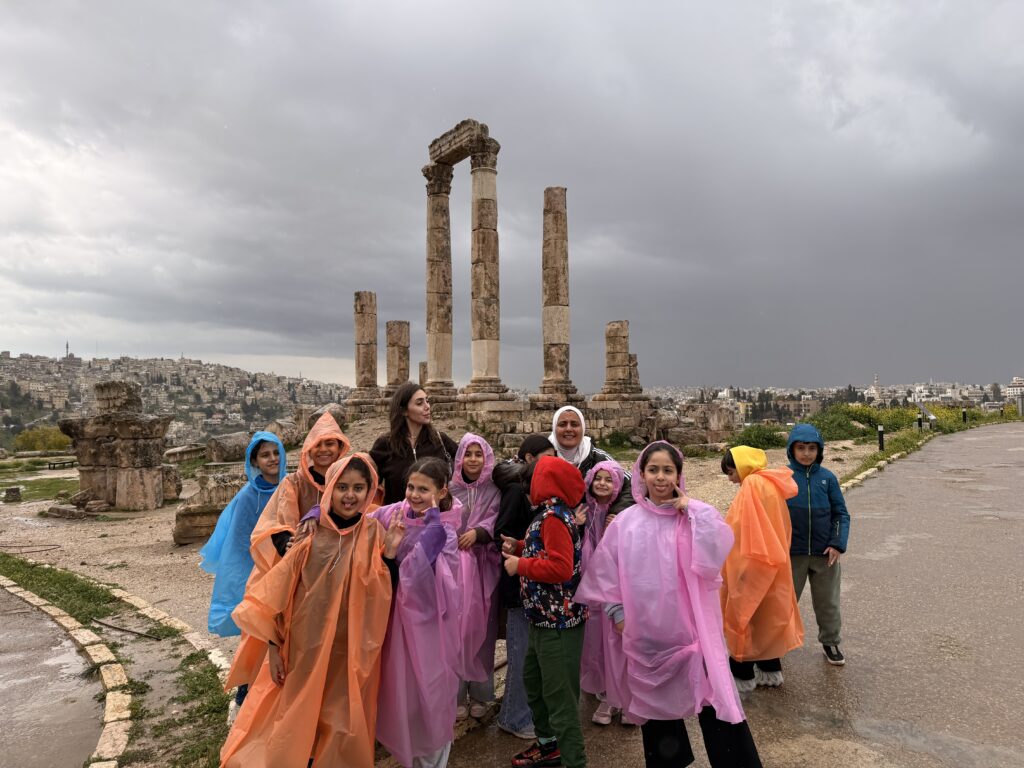
For Grades 4 to 6, the journey took on a deeper meaning. At the Amman Citadel, students stepped into a place where history feels alive, not something distant, but something present in the stones beneath their feet. As they walked through the site, they searched for the hand of Hercules, listened to his story, and began to connect myth with reality. Their experience continued in the museum through a treasure hunt that encouraged them to explore, move, and discover, making learning active and engaging.
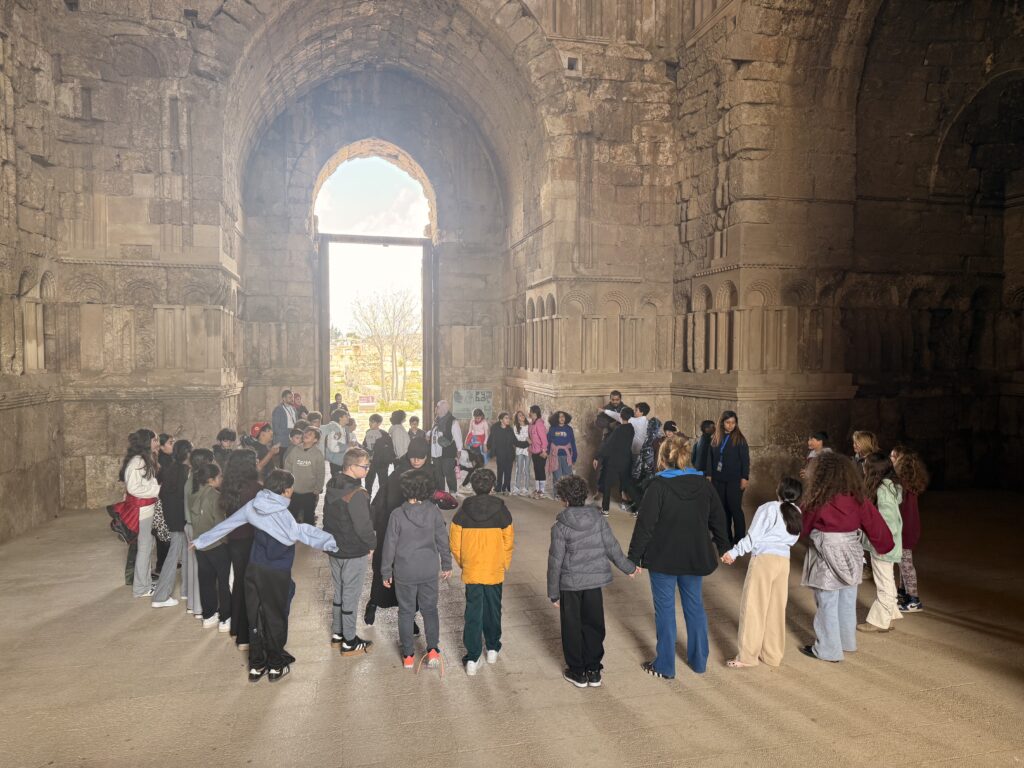
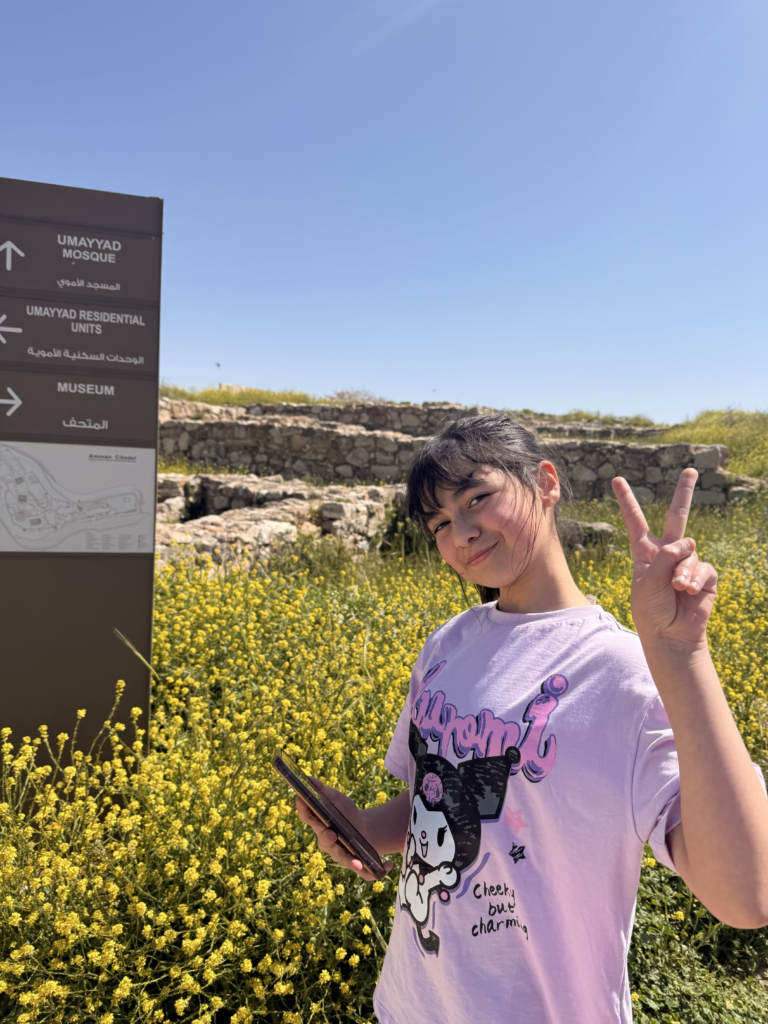
Later, at the Umayyad Palace, an unexpected moment unfolded. A group of local youth joined the students and introduced them to kite-making and flying. What made this experience special was its simplicity. It was not a planned activity, but a personal hobby that these young people naturally shared. It felt genuine, down to earth, and full of life. The interaction created a lively and welcoming atmosphere, and the hosts were genuinely surprised by our students’ openness, enthusiasm, and vived spirit. It was no longer just a visit, but a shared experience that left a lasting impression.
However, the weather brought an unexpected change. With rain falling on the days of Grade 4 and Grade 5, part of the experience had to shift. Instead of canceling the activity, we welcomed a group of youth from the Jabal Al Qal’a neighborhood into our school. Together, they continued the kite-making activity that had started at the Citadel. In that moment, the experience became less about the place and more about the people, creating a meaningful exchange filled with collaboration and shared joy.
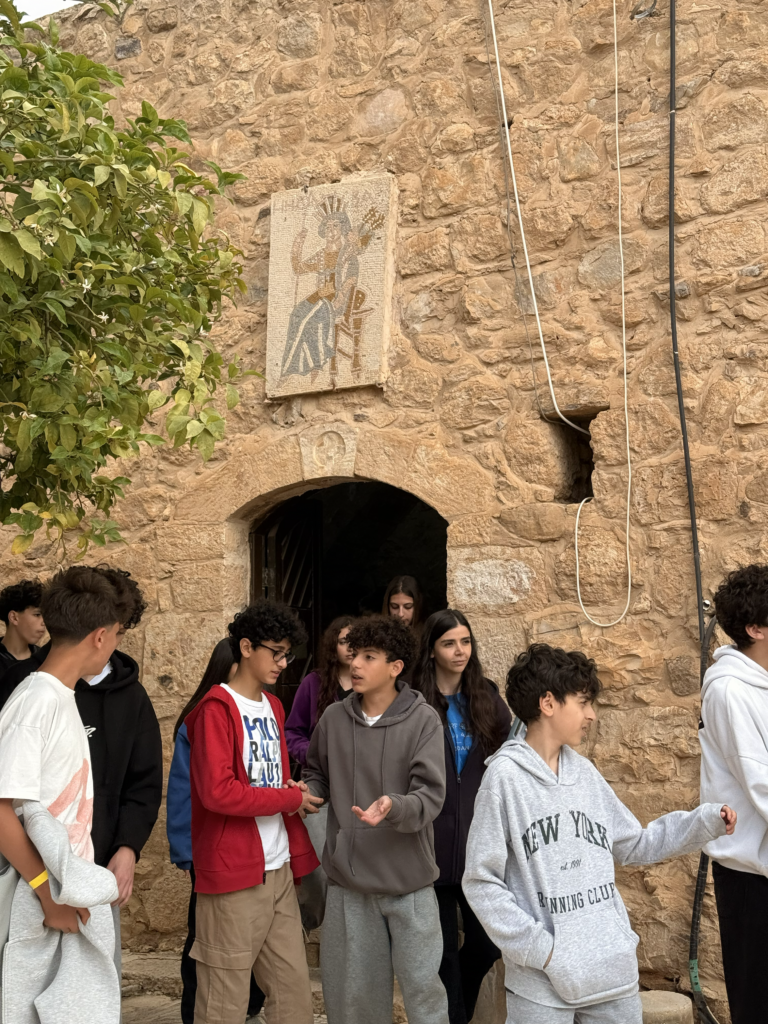
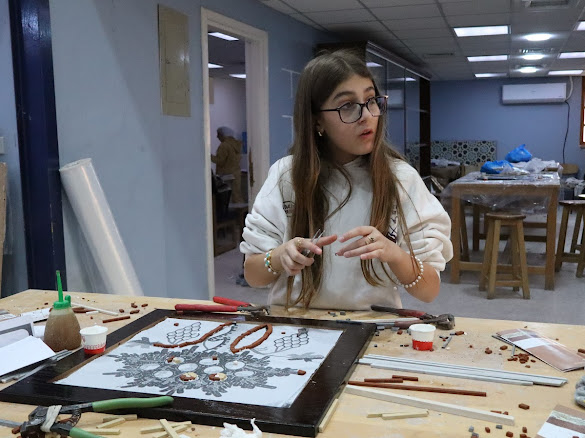
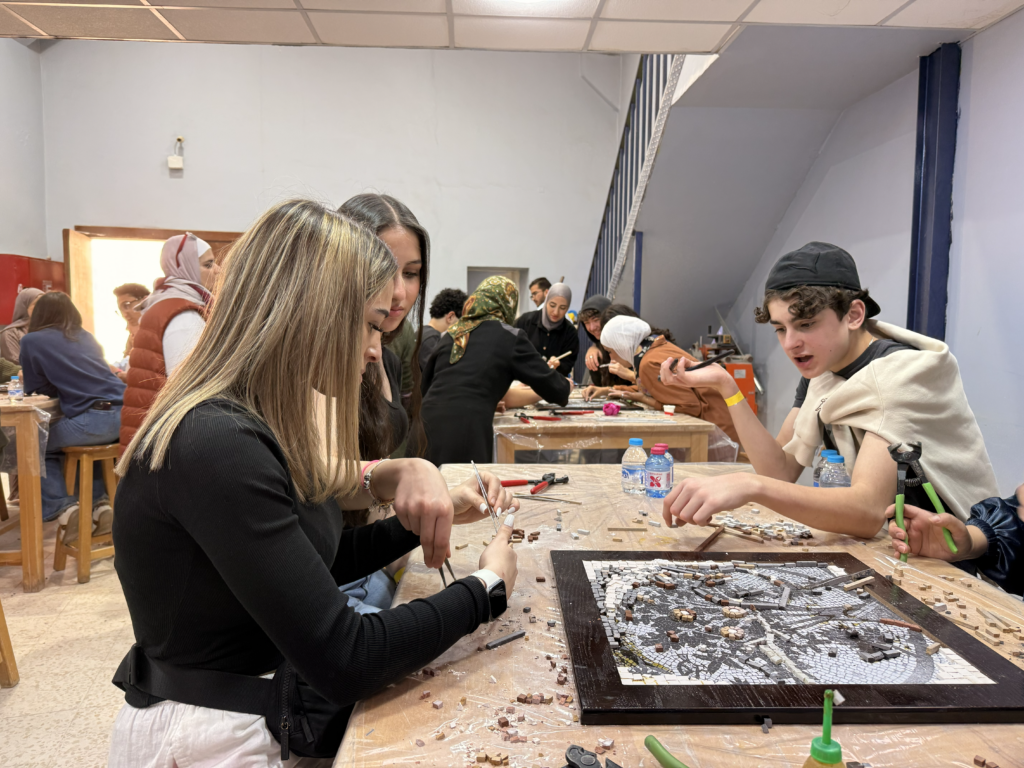
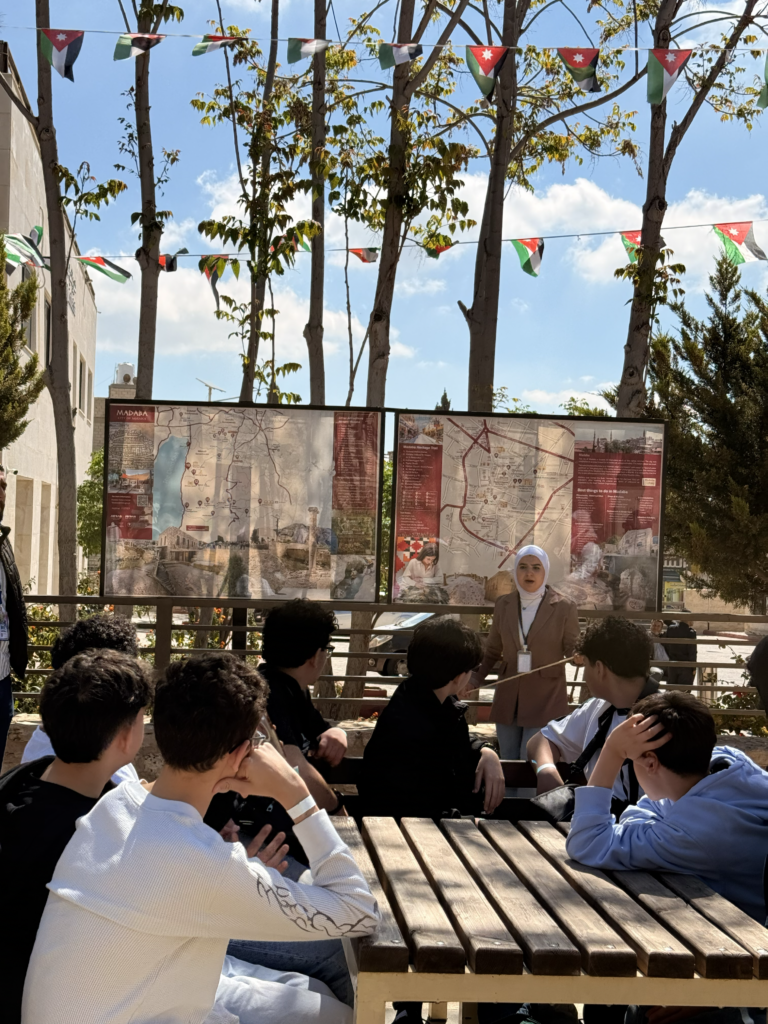
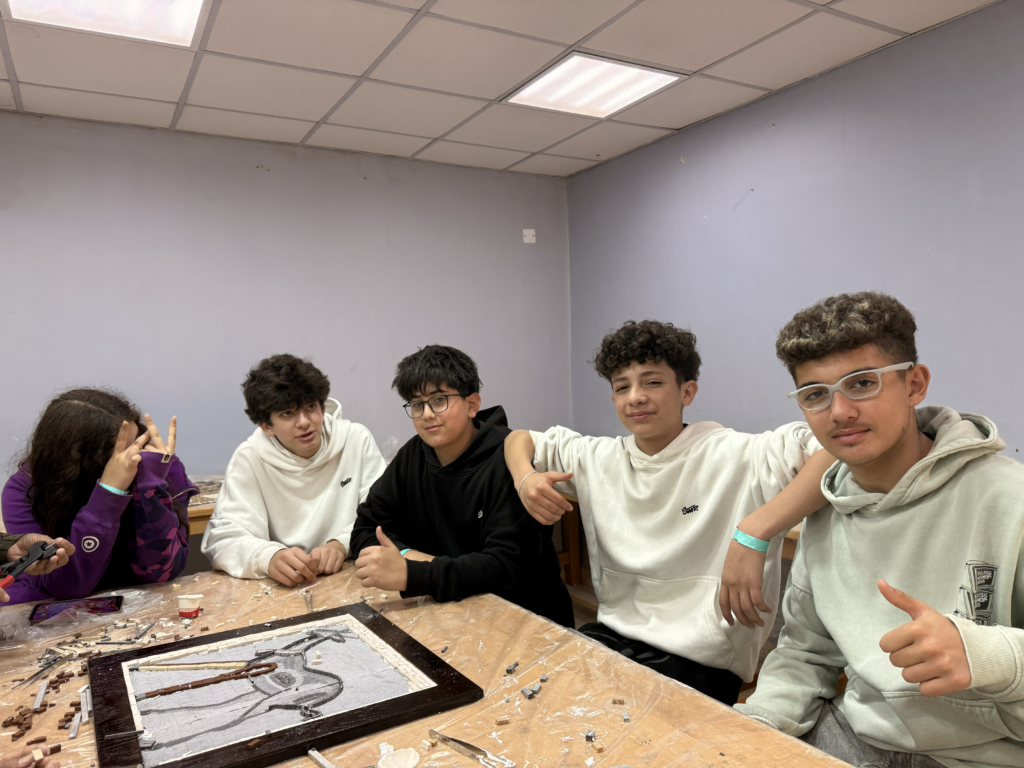
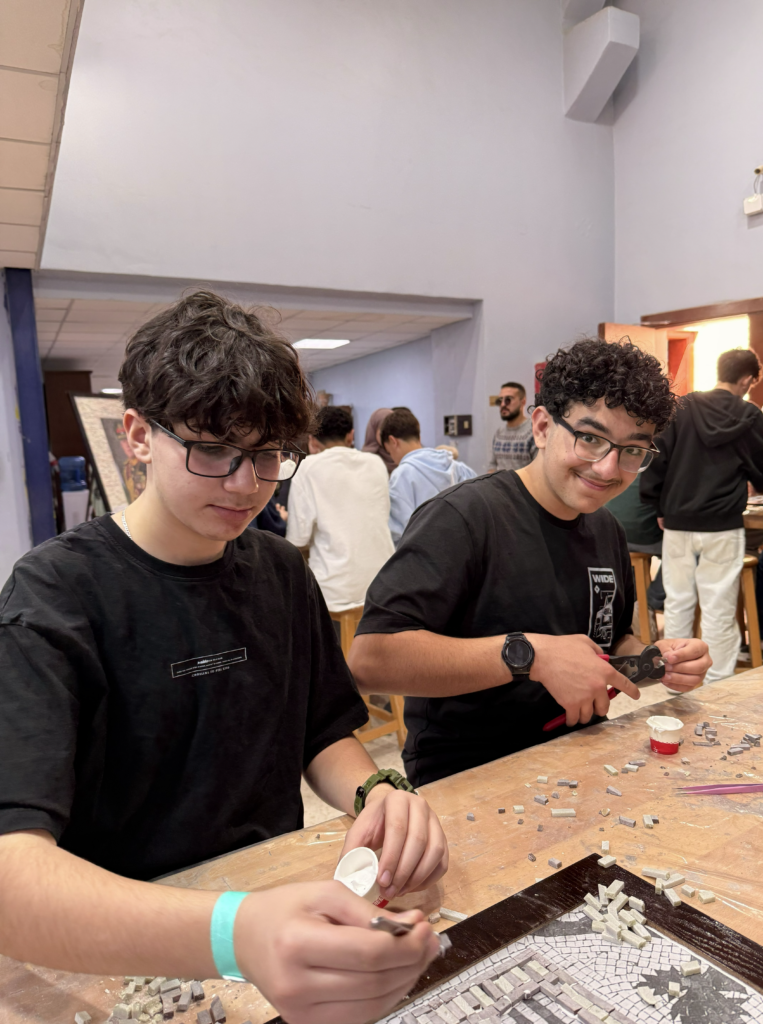
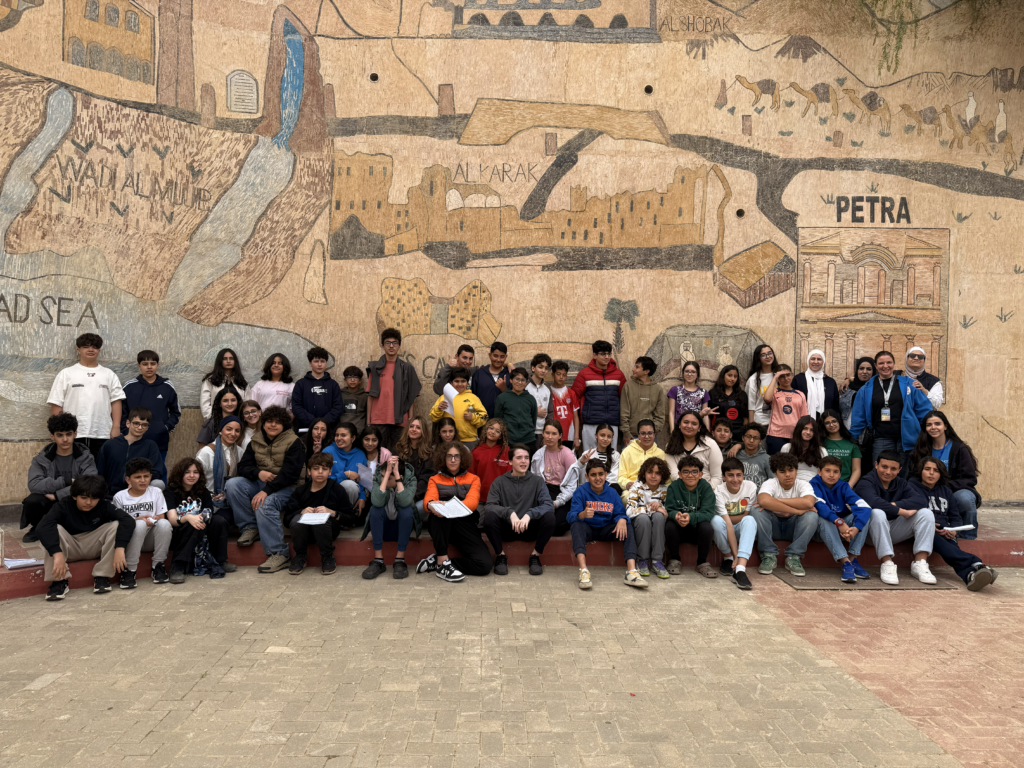
Meanwhile, Grades 7 to 9 spent those days waiting, watching others leave, imagining their own journey, until finally, their turn came. Their trip to Madaba unfolded with a quiet richness. At the Visitor Center, they stood before one of the largest mosaic maps in the world, made of millions of tiny pieces, each one part of a larger story. Through it, they learned about the King’s Highway, a path that has connected regions and people across Jordan for centuries. As they moved through the space and along the archaeological trail, history revealed itself not through explanation alone, but through presence. At the Mosaic Institute, the experience became deeply personal. Sitting together, focusing, working with their hands, they created their own mosaics. Piece by piece, they discovered the patience, care, and attention behind this ancient art. The day held both energy and stillness, from the lively bus ride where everyone became a DJ, to the quiet concentration of creation.
Across all these journeys, something remained constant. Field trips at Waldorf are not about collecting information. They are about creating connection, connection to places, to stories, to people, and to self. They allow learning to move beyond words and into experience, beyond explanation and into feeling. Perhaps just as meaningful as the trips themselves was the waiting in between, the watching, the imagining, the growing excitement, until the moment finally came for each group to hear it.
“Beep beep…”
And just like that, they were off.
Because sometimes, all it takes is a simple bus ride to realize that learning is not something we only receive, it is something we live, something we feel, and something we carry quietly within us long after the journey ends.