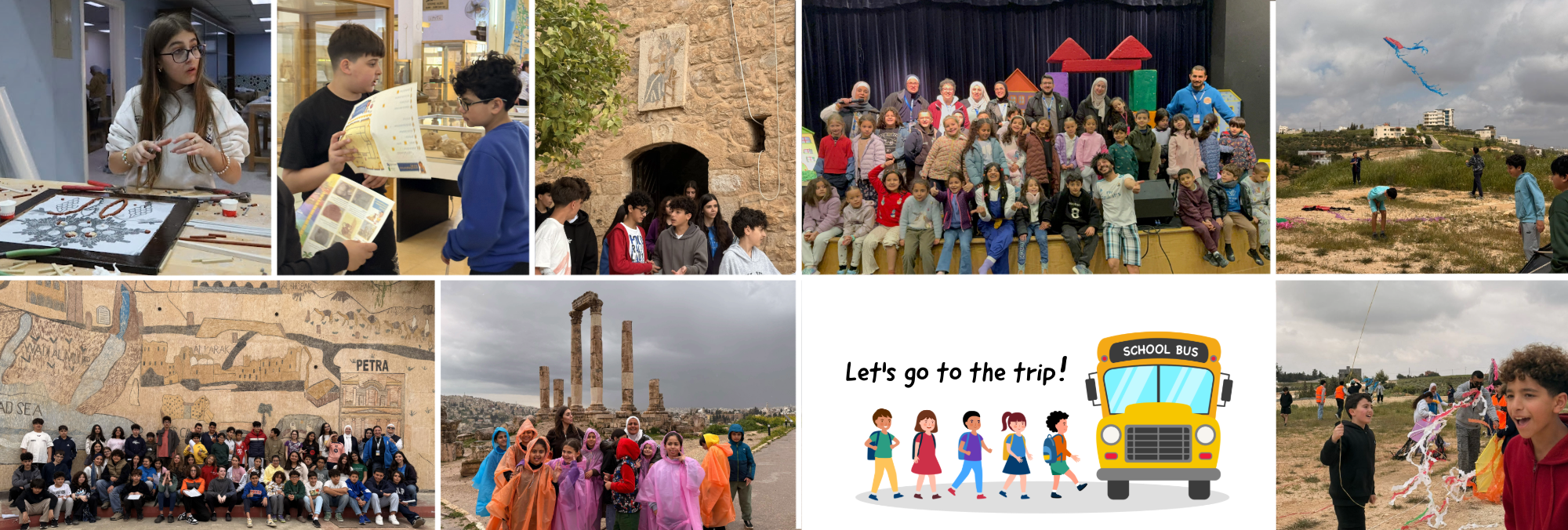


At first glance, the Waldorf School of Jordan could be mistaken for simply one more among the elite private schools in Amman—known for its serene campus, rigorous academics, and flourishing arts programs. But talk to the students or walk into a classroom, and another picture quickly emerges: education here is not about competition, but conscience.
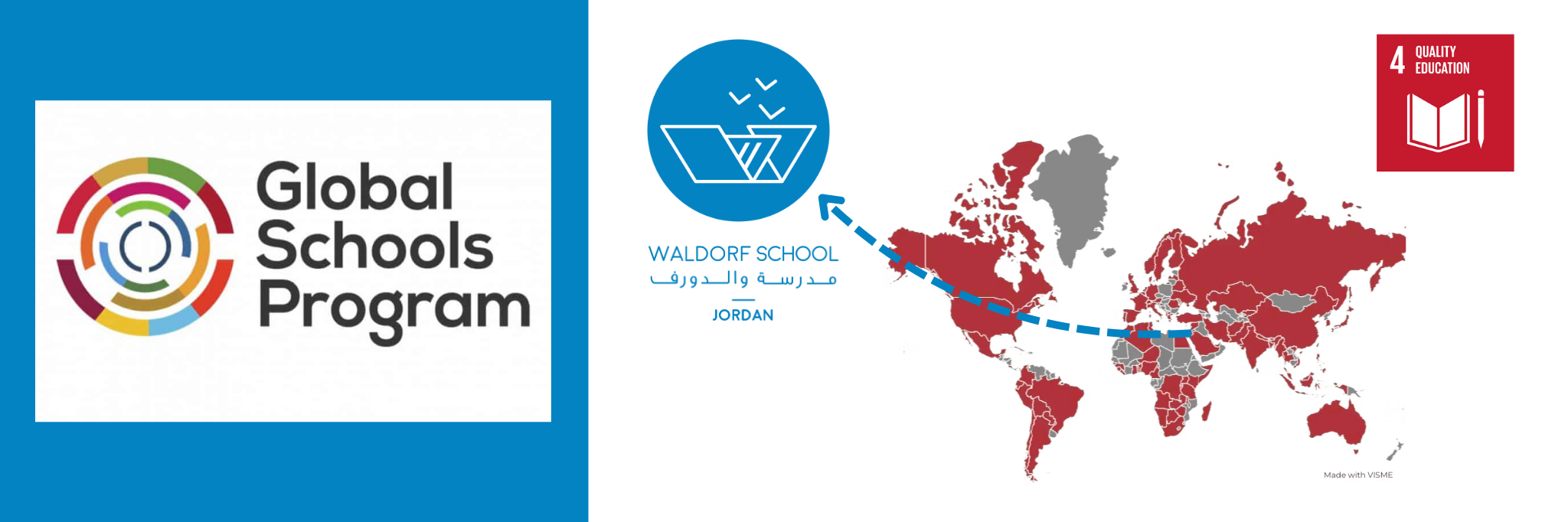
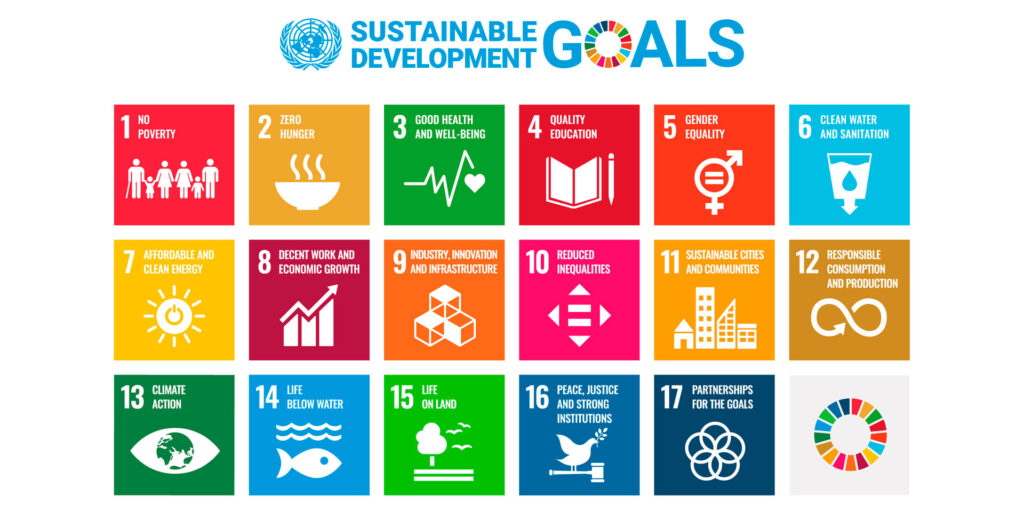
This autumn, that vision found a new global echo. The Waldorf School of Jordan has become a member of the Global Schools Program, a worldwide initiative of the United Nations Sustainable Development Solutions Network (SDSN) that connects schools committed to the Sustainable Development Goals (SDGs)—the 17 principles for peace, justice, prosperity, and environmental stewardship agreed upon by all UN member states in 2015.
Education with a Moral Center
For Waldorf educators, the alignment felt natural. The Global Schools Program’s mission—to make schools the hubs of education and leadership for sustainable development—reads like an extension of the school’s founding impulse: to teach children not only what to know, but how to care.
“Learning here is never only academic,” explains one teacher. “We’re helping students form the habits of empathy, responsibility, and initiative that will shape who they become in the world.”
That moral focus is visible everywhere—in the way older students mentor younger ones, in lessons that tie art to ecology, and in classroom discussions that trace the connections between economy, environment, and ethics.
It’s the kind of approach that places Waldorf among the most distinctive international schools in Jordan: academically serious, yes, but equally serious about character and conscience.
Global Goals, Local Grounding
The Global Schools Program offers member institutions a framework and community for integrating the SDGs into their teaching and culture. It encourages schools to ask bold questions: How does a math lesson relate to sustainable cities? How can a literature class help students understand gender equality or clean water access?
But for Waldorf students, these questions aren’t theoretical. They are lived.
In a recent Grade 6 project, students explored local water use in Amman—charting consumption patterns, reading Jordan’s sustainability reports, and even designing posters that visualized how individual actions ripple outward. In Grade 5, a unit on agriculture turned into an exploration of food justice and traditional farming practices in Jordan’s rural areas.
Each project becomes a mirror of the school’s deeper belief: that education grounded in values is what empowers students to act with both confidence and conscience.
The Whole Child in a Changing World
As global education increasingly shifts toward measurable outcomes, the Waldorf School of Jordan continues to ask the deeper question: What kind of human being does the world need?
It’s a question that drives both pedagogy and purpose. Lessons are designed to cultivate not just intellectual capacity, but ethical imagination—the ability to hold multiple perspectives, to sense complexity, and to respond creatively to it.
Membership in the Global Schools Program simply amplifies that work. It provides a global network of like-minded educators, resources for sustainability education, and opportunities for students to connect with peers around the world who are working toward the same ideals.
But for Waldorf, the partnership is not about joining a trend. It is about belonging to a moral lineage: the belief that schools should form citizens capable of shaping a more just and sustainable world.
Teaching as Transformation
The Global Schools Program trains educators through its Advocates Program, which equips teachers with the tools to embed sustainable thinking into daily learning. For Waldorf teachers, this fits seamlessly with the Waldorf philosophy of reflective, relational teaching.
A lesson in botany becomes a lesson in stewardship. A geometry class becomes a meditation on the order of nature. Even recess becomes a lived experience of community and care—shared food, shared space, shared responsibility.
“We want students to see themselves as participants in a living world,” says one of the school’s faculty members. “Knowledge is not just information; it’s a relationship.”
That sense of connectedness is precisely what the Global Schools network seeks to cultivate—transforming schools from static institutions into dynamic ecosystems of learning, inquiry, and ethical action.


Beyond the Classroom Walls
The Waldorf School of Jordan has long been recognized among eco-friendly schools in Amman, with initiatives in recycling, gardening, and outdoor experiential learning. But the school’s environmental ethos goes beyond green practices—it’s a way of thinking about interdependence.
Whether students are discussing the ethics of technology, exploring literature from across cultures, or planting trees during community days, they are asked to reflect: What are we responsible for, and how do we act on that responsibility?
The Global Schools membership offers affirmation and expansion of this very idea—connecting local purpose to global partnership.
A Global Education, Rooted in Jordan
In a world where “global citizenship” can sound abstract, Waldorf students experience it daily—not as a slogan, but as a posture of awareness and empathy. The school’s approach situates Jordan within the broader conversation about sustainable development, showing students that their lives and choices matter in a shared planetary story.
It is this blend—of academic rigor, moral imagination, and cultural rootedness—that sets the Waldorf School of Jordan apart among elite international schools in Amman.
Here, the measure of success is not only where students go after graduation, but what kind of world they help build.

The Waldorf School of Jordan: educating the head, heart, and hands—for Jordan, for the world.